Many patients are surprised when a routine blood test shows diabetes, because they feel completely well. That is typical. Type 2 diabetes usually develops slowly, and high sugar can quietly damage the eyes, kidneys and nerves for years before any symptom appears. Finding it early gives you the best chance of keeping it under control, sometimes with lifestyle changes alone.
Early signs to watch for
- Feeling thirsty and passing urine more often, including at night
- Tiredness, especially after meals
- Blurred vision that changes from day to day
- Frequent infections: urine infections, fungal infections in the groin, boils
- Cuts or wounds that heal slowly
- Tingling or burning in the feet
- Unexplained weight loss, which can happen when sugars are very high
Dark, velvety skin on the back of the neck or in the armpits (acanthosis nigricans) is a sign of insulin resistance and an early warning, especially in young people.
Who should be tested, even without symptoms
South Asians develop type 2 diabetes earlier and at lower body weights than many other populations. Many Indian experts advise testing from around age 30, and earlier if you have any of these:
- A parent, brother or sister with diabetes
- Weight around the waist: 90 cm or more in men, 80 cm or more in women (see healthy weight for Indians)
- High blood pressure or high cholesterol
- Diabetes in a past pregnancy, or a baby weighing more than 3.5 kg at birth
- PCOS
- Little physical activity
If your results are normal, repeat the test every one to three years depending on your risk.
Which tests to ask for
| Test | Normal | Prediabetes | Diabetes |
|---|---|---|---|
| Fasting glucose (mg/dL) | Below 100 | 100 – 125 | 126 or higher |
| 2 hours after 75 g glucose drink (mg/dL) | Below 140 | 140 – 199 | 200 or higher |
| HbA1c (%) | Below 5.7 | 5.7 – 6.4 | 6.5 or higher |
Fasting glucose needs 8 to 10 hours without food. Water is fine. HbA1c reflects your average sugar over the last two to three months and doesn't need fasting. It can be misleading in anaemia, pregnancy and some blood disorders, which are common in India, so your doctor may combine it with glucose tests. The glucose tolerance test (a 75 g glucose drink, then a test after two hours) picks up diabetes that the fasting test misses, and is used in pregnancy.
A random sugar of 200 mg/dL or more together with classic symptoms is enough to diagnose diabetes. Otherwise, an abnormal result is usually confirmed with a second test.
If you have prediabetes
Prediabetes is a warning, not a diagnosis to ignore. Many people with prediabetes can return to normal sugars. What helps most:
- Losing 5 to 7% of your body weight, which is about 4 to 5 kg for someone weighing 70 kg
- 150 minutes of brisk walking or similar activity a week, which is 30 minutes on five days
- Smaller portions of rice and other refined carbohydrates, with more vegetables, dal and protein on the plate
- Cutting sweetened drinks, including fruit juices and sweetened tea and coffee
- Sleeping well and managing stress
If you have diabetes
A new diagnosis is the time to set up good habits and a clear plan (read more about diabetes care). The first visit should include:
- A personal HbA1c target, usually below 7% for most adults
- Kidney tests (urine albumin and creatinine), cholesterol and a liver check
- An eye check for retinopathy
- A foot examination
- A blood pressure check
- A treatment plan explaining what each medicine does
Many newer diabetes medicines also protect the heart and kidneys. The right choice depends on your age, weight, kidney function and budget.
Seek emergency care for very high sugars with vomiting, abdominal pain, fast breathing or drowsiness.
Book a consultation
Send a WhatsApp message with the patient's name, age and preferred location. You'll get a reply with an appointment time.
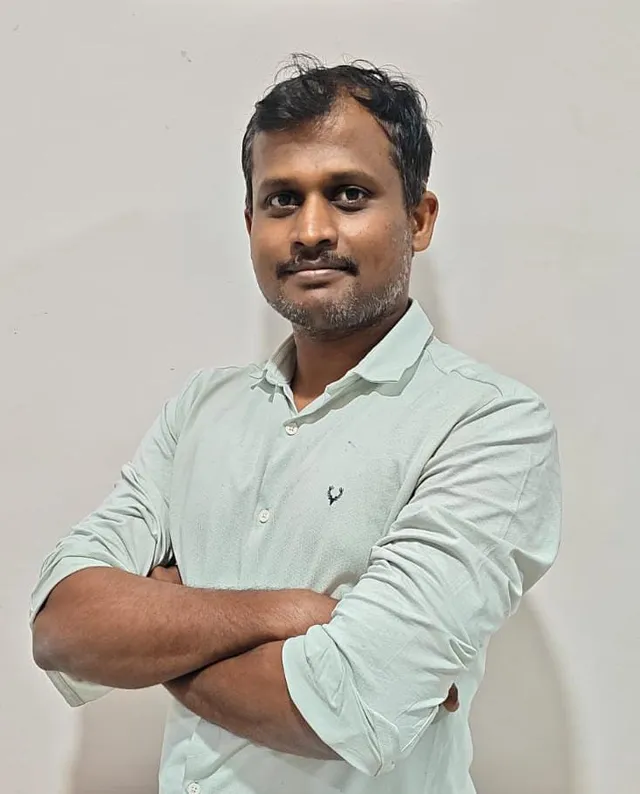
Written by Dr. Prasadh Rao L, MBBS, MD (General Medicine), DM (Endocrinology). Assistant Professor of Endocrinology, Madras Medical College. Tamil Nadu Medical Council Reg. No. 96520.
This article is for general information. It is not a diagnosis or a treatment plan. Please don't start, stop or change any medicine without speaking to your doctor.