A BMI of 24 is considered normal in many countries, but for an Indian adult it already signals extra risk. People of South Asian origin tend to carry more fat inside the abdomen and around the organs, even at a lower body weight. This "hidden" fat drives diabetes, fatty liver and heart disease.
Healthy numbers for Indian adults
| Measure | Healthy | Overweight | Obese |
|---|---|---|---|
| BMI | 18.5 – 22.9 | 23 – 24.9 | 25 or more |
| Waist, men | Below 90 cm | 90 cm or more means higher risk | |
| Waist, women | Below 80 cm | 80 cm or more means higher risk | |
BMI = weight in kg ÷ (height in metres × height in metres). For example, 70 kg at 1.65 m gives a BMI of about 25.7. Measure your waist at the level of the navel, after breathing out gently. Waist size is often a better guide to risk than BMI.
When weight gain has a medical cause
Most weight gain comes from a mix of genes, eating patterns, activity, sleep and stress. But some causes need specific treatment:
- Hypothyroidism: usually causes modest weight gain, along with tiredness and feeling cold
- PCOS: irregular periods, acne and excess hair growth
- Cushing's syndrome: rapid gain around the face and abdomen, purple stretch marks, easy bruising and high blood pressure
- Medicines: steroids, some diabetes medicines, some antidepressants and anti-epileptic drugs
- Sleep problems: short sleep and sleep apnoea (loud snoring with pauses in breathing)
What medical treatment looks like
- Realistic goals: losing even 5 to 10% of body weight improves blood sugar, blood pressure, fatty liver and joint pain.
- Food: an eating plan that fits Indian meals, such as smaller rice portions, more protein (dal, eggs, fish, paneer, sprouts), vegetables at every meal, and fewer fried snacks and sweetened drinks.
- Activity: at least 150 minutes a week of walking or similar activity, plus some strength exercise to protect muscle.
- Medicines: newer medicines such as GLP-1–based treatments can help people with obesity, or with overweight and related conditions, lose significant weight. They are not cosmetic shortcuts. They need a medical assessment, regular follow-up, and attention to side effects and to muscle mass.
- Bariatric surgery is an option for some people with severe obesity, especially with diabetes.
Obesity in children
Childhood obesity is rising quickly in Indian cities (see children's endocrinology). Doctors judge a child's weight using age- and sex-specific BMI charts, not adult cut-offs. A child needs specialist assessment if weight gain started in the first few years of life, if there is constant hunger, developmental delay or unusual features (which can point to a genetic cause such as Prader-Willi syndrome), if growth in height is slowing while weight rises, or if there are signs of early diabetes such as dark skin patches on the neck.
For most children, the most effective treatment is a family-wide change: fewer packaged snacks and sweet drinks, less screen time, more outdoor play and regular sleep.
Book a consultation
Send a WhatsApp message with the patient's name, age and preferred location. You'll get a reply with an appointment time.
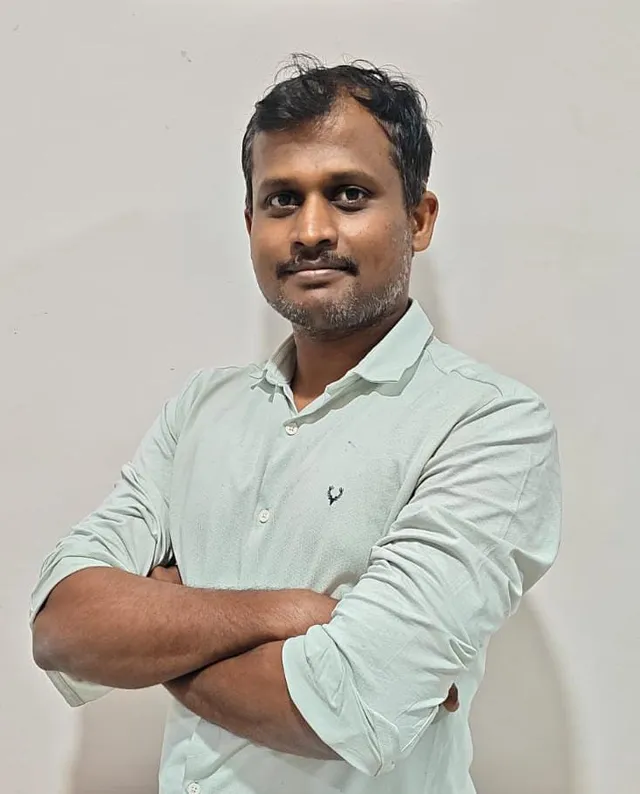
Written by Dr. Prasadh Rao L, MBBS, MD (General Medicine), DM (Endocrinology). Assistant Professor of Endocrinology, Madras Medical College. Tamil Nadu Medical Council Reg. No. 96520.
This article is for general information. It is not a diagnosis or a treatment plan. Please don't start, stop or change any medicine without speaking to your doctor.