Osteoporosis means the bones have become thin and fragile, so they break after minor falls, or even a cough or a bend. It causes no symptoms until a fracture happens, most often in the spine, hip or wrist. A hip fracture in an older person can take away their independence, so prevention matters.
Who is at risk
- Women after menopause, especially early menopause
- Men and women over 65
- Long-term steroid use
- Low vitamin D, low calcium intake and little sunlight exposure
- Thyroid excess, overactive parathyroid glands, or low testosterone or estrogen
- Diabetes, rheumatoid arthritis, chronic kidney or liver disease
- Low body weight, smoking, alcohol, and a parent who had a hip fracture
Signs to watch for
- A fracture after a fall from standing height or less
- Loss of height of 3 cm or more
- A stooping or rounded upper back
- Sudden back pain from a spinal compression fracture
Other bone and mineral disorders treated
- Vitamin D deficiency, which is very common in India despite the sunshine
- Primary hyperparathyroidism: high calcium, kidney stones, weak bones, tiredness and constipation
- Low calcium, including after thyroid or parathyroid surgery
- Rickets and osteomalacia (soft bones) in children and adults
Tests
- A DEXA scan (bone density test). A T-score of −2.5 or lower confirms osteoporosis.
- Calcium, phosphate, vitamin D, parathyroid hormone, and kidney and thyroid function
- Tests for hidden causes, especially in men and younger women
Treatment
- Enough calcium (from food first) and vitamin D, plus regular weight-bearing exercise
- Bone-strengthening medicines: bisphosphonates (tablets or a yearly injection), denosumab, or bone-building injections such as teriparatide for severe osteoporosis
- Treating the underlying cause, such as parathyroid surgery or hormone replacement
- Preventing falls at home: good lighting, non-slip bathroom floors, and checks on vision and medicines
Before starting bone medicines, tell your doctor about dental problems or planned dental extractions, and correct low vitamin D first.
Consulting Dr. Prasadh Rao L
Dr. Prasadh Rao L (MBBS, MD (General Medicine), DM (Endocrinology)) is an Assistant Professor of Endocrinology at Madras Medical College, where these conditions are seen and managed regularly. Treatment is planned individually, because the right choice depends on the cause, your age, other health conditions and your plans, such as pregnancy. Consultations are available at Dr. PD's Diabetes and Endocrine Speciality Clinic, Maduravoyal (Mon – Sat, 7:30 – 9:30 PM), at Dr. RK Podiatric Institute, Kolathur (4:00 – 6:30 PM), and by appointment at partner hospitals and clinics. See all locations or read the doctor’s profile.
Book a consultation
Send a WhatsApp message with the patient's name, age and preferred location. You'll get a reply with an appointment time.
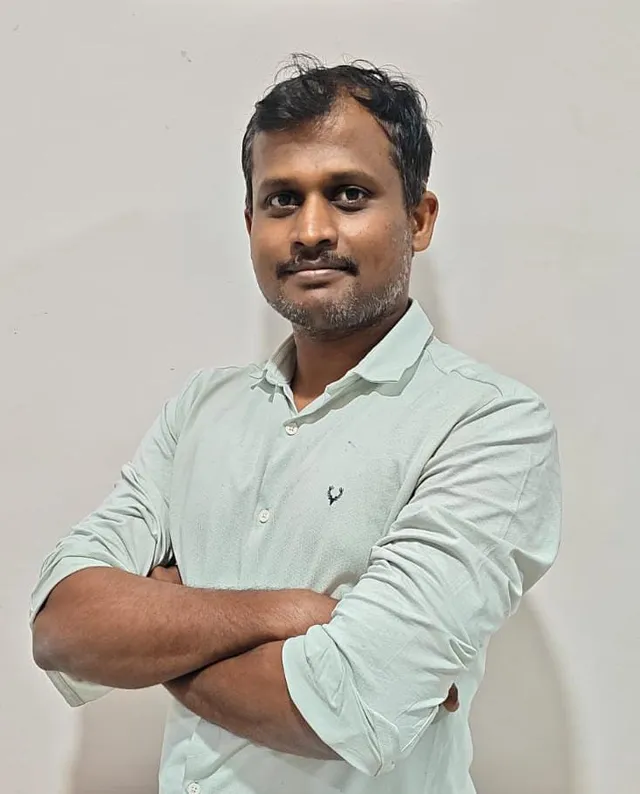
Written by Dr. Prasadh Rao L, MBBS, MD (General Medicine), DM (Endocrinology). Assistant Professor of Endocrinology, Madras Medical College. Tamil Nadu Medical Council Reg. No. 96520.
This article is for general information. It is not a diagnosis or a treatment plan. Please don't start, stop or change any medicine without speaking to your doctor.